
There are several types of recovery residences, the most common being a peer-run organization. These are typically located in marijuana addiction single-family homes in stable communities whose residents hold each other accountable and promise to not use drugs or alcohol. A monitored location is one step up and has a house manager present who sets rules and procedures and holds individuals accountable.

Understanding The Concept & Purpose Of Halfway Houses
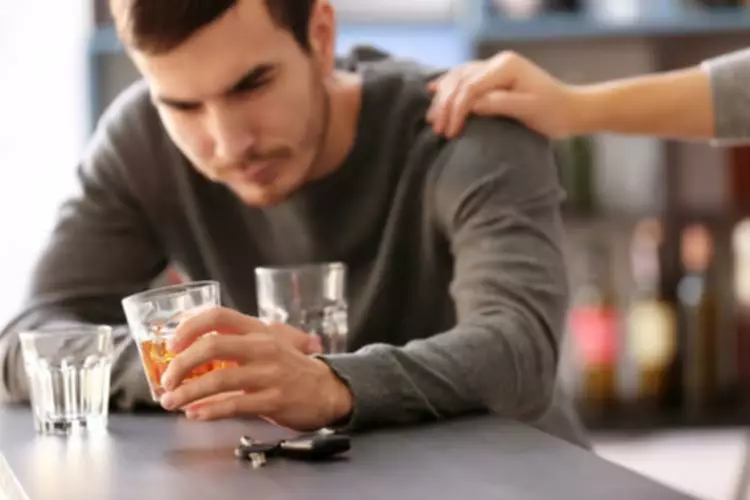
When someone relapses in a halfway house, they face consequences based on house policies, which include immediate eviction, increased supervision, or referral to a higher level of care. Many halfway houses enforce zero-tolerance policies, requiring residents who relapse to leave immediately what is a halfway house to maintain a sober environment. Some facilities offer a second chance with additional drug testing, recovery meetings, or stricter rules if the relapse is reported voluntarily. The National Institute on Drug Abuse (NIDA) states that relapse is common in recovery, with rates ranging from 40% to 60%, emphasizing the importance of structured support to prevent future substance use.
- Recovery meetings such as the 12 step meetings are conducted and are usually mandatory.
- Not only do you get continuing treatment for your addiction on a 24 hour a day basis, but you have access to community resources that can help you get back on your feet.
- You may spend up to twelve months in a halfway house, but we rarely see placements longer than six months.
Verify Your Insurance Coverage
- However, if residents are willing to remain sober, follow all house rules, and guarantee medical stability, they should feel free to apply.
- You can stay in a halfway house for up to 6 months, although the exact duration varies.
- This structured environment includes mandatory curfews, counseling sessions, and recovery meetings, ensuring that residents stay accountable for their progress.
It could be certain people, places, or emotions that tempt you towards substance use again. But knowing what they are allows you to avoid them or develop coping strategies. Above all else, show love without enabling harmful behaviors – your presence helps create a positive environment conducive to healing. Contact https://ecosoberhouse.com/ us today for more information about this critical step toward sustained recovery. Others may limit or restrict cell phone and internet access because they can act as triggers that could lead to relapse.

What are Sober Living Homes?
- Although we do not require that you have been sober for any particular amount of time before enrolling, we do require that you are currently sober and not abusing any addictive substances.
- This is especially true during stress or when faced with triggers that remind you of your addiction.
- Some nonprofit halfway houses offer financial aid or payment plans to assist residents in need.
- You need to communicate where you are and what you’re doing so someone knows how to help you if you need it.
- In some cases, scholarships or financial assistance options may be available for those who are unable to afford the cost.
- What’s more, halfway houses have a financial incentive to maintain full occupancy due to the conditions of contracts.
It allows you to live in a safe, substance-free environment while readjusting to life outside treatment. In my opinion, this is one of the TOP resources that contributed to saving my son’s life. Staff and managers go above and beyond to make sure your transition after detox or rehab is as smooth as possible. Choosing a sober living home in Los Angeles for my son was the best decision I could have made. These transitional opportunities aim to facilitate the transition to a healthy, law-abiding lifestyle, providing individuals with the necessary support and resources to navigate the challenges of their reentry journey.
How Much Does Sober Living Cost?
While residing here, residents receive extra treatment services, such as attending support groups and learning essential life skills to prepare for their future. Halfway houses are government-funded and serve as transitional housing for those who have finished their drug and alcohol treatment programs. These facilities serve as recovery homes for people recovering from substance use disorders, mental health conditions, or reintegration challenges after incarceration.